
In the last two articles, we saw that:
👉 Online advertising doesn’t work poorly… it’s often poorly used.
👉 You don’t need to be an expert or dedicate all your time to it to get results.
Now let’s move on to the most important question:
“Concretely, what should I do, step by step, to make it work?”
Here is a simple, realistic, proven plan tailored to the reality of warehouse stores and liquidation centers.
No jargon.
No complicated theory.
Just the essentials.
Step 1 — Clarify ONE thing (and only one)
Before talking about platforms or budget, ask yourself this question:
👉 Why should someone come to your store instead of somewhere else?
No long explanation needed.
One sentence is enough.
For example:
Unbeatable liquidation prices
Well-known brands at warehouse prices
Everything must go
Major discounts, limited quantities
👉 If your message isn’t clear to you, it won’t be clear to your customers.
Common mistake:
Trying to say everything at once.
Solution:
👉 One main message, repeated.
Step 2 — Stop trying to invent something new every week
This is a very costly mistake.
Many retailers believe they must:
constantly change their message,
create new content nonstop,
find “the big idea” that will unlock everything.
The reality is the exact opposite.
👉 What works is repetition.
A liquidation center doesn’t need extreme creative originality.
It needs:
visibility,
consistency,
credibility.
Simple rule:
If your message is good, repeat it.
Again.
And again.
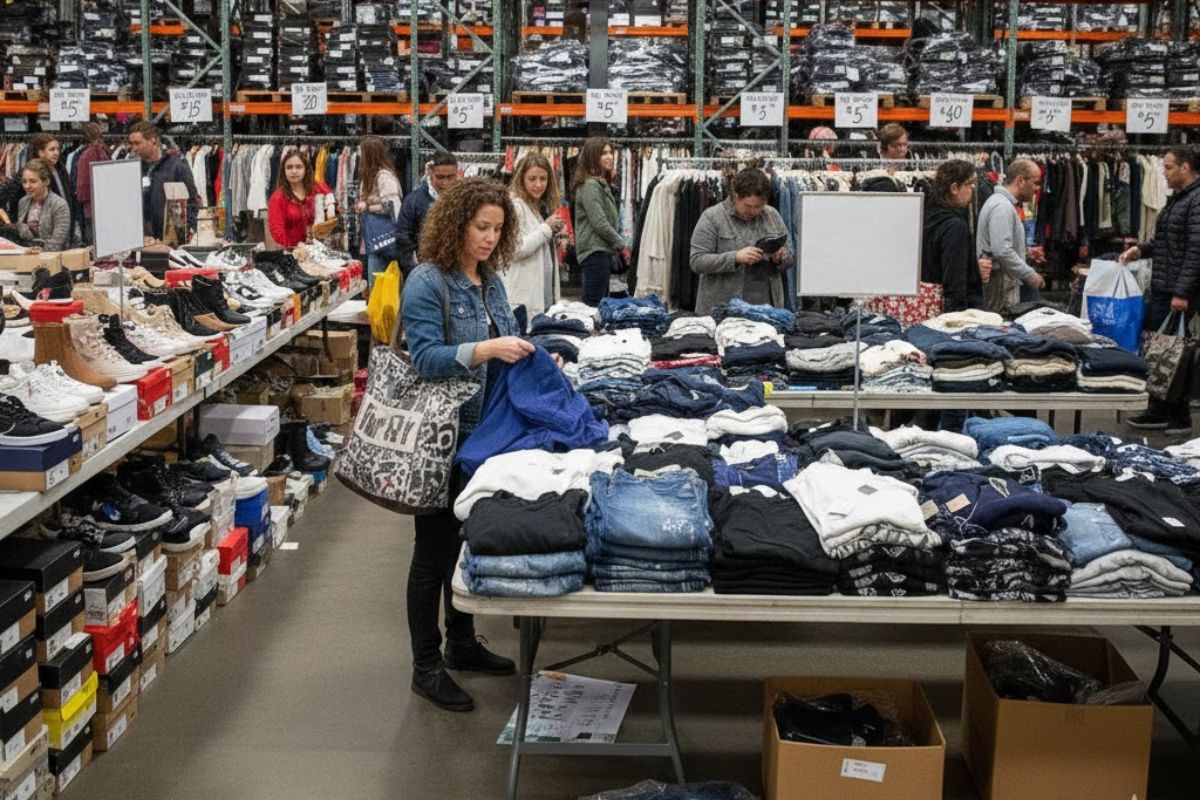
Read the article Increase sales through repetition – allsales
Step 3 — Choose one main channel (not five)
When you’re short on time, trying to be everywhere is the best way to be nowhere.
👉 Choose ONE main channel — one that:
reaches people already in buying mode,
doesn’t depend on your daily involvement,
allows continuous visibility.
Social media can be part of the strategy, but:
it requires time,
constant content creation,
and paid boosts to be seen.
👉 For a warehouse store, a channel that works for you continuously is often far more profitable.
Step 4 — Put a CONTINUOUS presence in place (even minimal)
Here’s a simple truth:
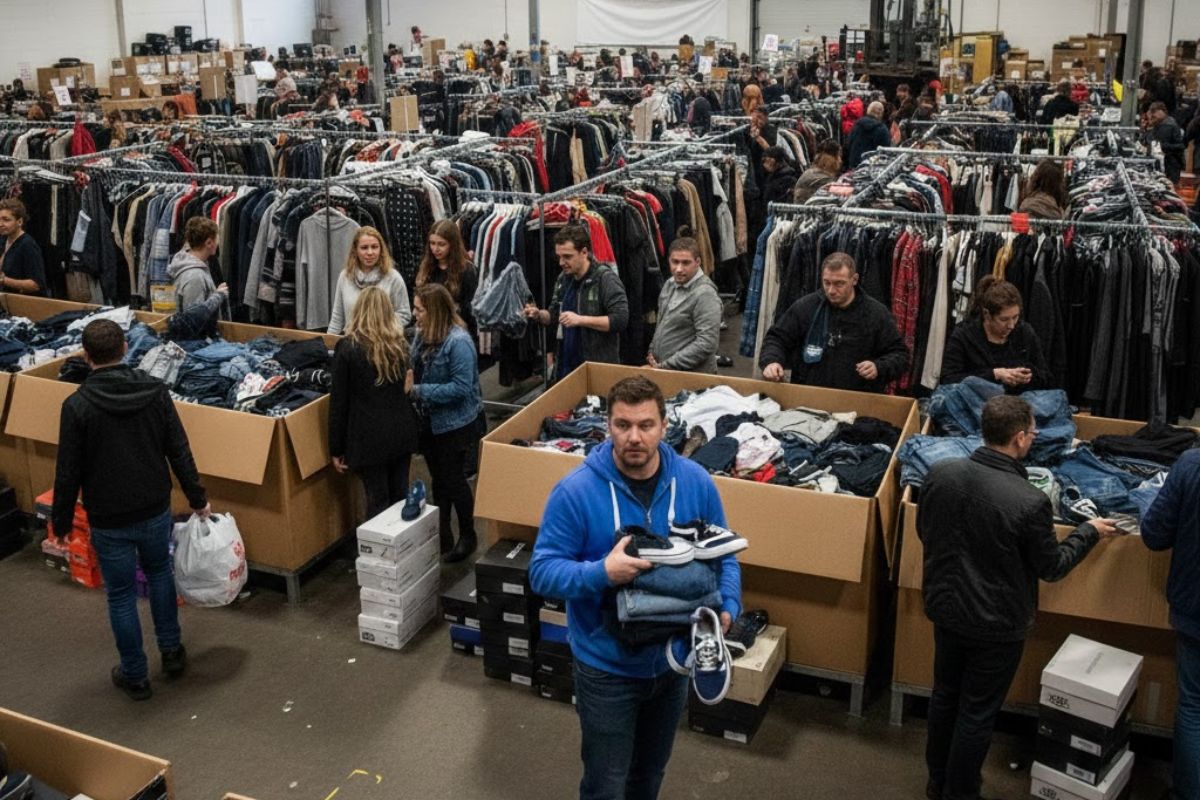
👉 A small continuous presence is better than a big one-time push.
Concrete example:
❌ Poor approach
$300 spent in 3 days
Then nothing for a month
✅ Better approach
One ad running continuously
Same budget, spread over time
Why?
Because:
people don’t decide at the same time,
you’re not always their immediate priority,
but when the need arises… they think of you.
Step 5 — Simplify your advertising as much as possible
Your advertising doesn’t need to be complicated.
It simply needs to answer 4 questions:
What is it?
(warehouse sale, liquidation, major discounts)
Why is it interesting?
(savings, brands, pricing, scarcity)
When and where?
(dates, location, in-store or online)
What should the customer do?
(visit the store, click, shop now)
👉 If these four elements are clear, you’ve already done 80% of the work.
Step 6 — Stop judging too quickly
This is probably the most common mistake.
After a few days, we say:
“Nothing is happening.”
“No one came.”
“It’s not working.”
But advertising:
often works indirectly,
influences over several days or weeks,
prepares the ground.
Instead, ask yourself:
Are more people mentioning they saw us online?
Is traffic more consistent?
Are my slow periods less slow?
👉 Effective online advertising supports your business activity. It doesn’t always create an instant spike.
Step 7 — Measure what really matters
For a warehouse store, the best indicators are often:
in-store traffic,
sales consistency,
reduced slow periods.
Clicks and views are useful — but secondary.
👉 Your goal isn’t to be popular.
👉 Your goal is to sell.
The plan summarized in one sentence
If we had to summarize this entire series so far:
👉 A clear message + one main channel + continuous presence = results.
No need:
to do everything,
to be everywhere,
to spend hours every week on it.
And now?
If you’ve read the three articles in this series, you’ve already:
avoided the most costly mistakes,
clarified what truly works,
understood how to simplify your strategy.
👉 In the next article, we’ll go even further.
We’ll look at:
how to structure an annual advertising strategy,
how to avoid traffic rollercoasters,
and how to make your advertising work even when you’re overwhelmed.
Because the real goal isn’t one good week.
👉 It’s more predictable foot traffic, month after month.






Social Contact