
There is a phrase we’ve heard hundreds of times over the past 16 years.
It always comes from a brilliant, hardworking retailer who has built something solid.
And it holds them back without them even realizing it.
“I don’t want to run too many sales… I’ll train my customers to never pay full price.”
That sentence sounds reasonable. It feels like wisdom. It resembles discipline.
But it is wrong.
Not slightly wrong. Fundamentally wrong. And this belief, when left uncorrected, costs retailers thousands of dollars in lost revenue every year.
Here’s why — and more importantly, here’s how the most strategic retailers manage the reality of their two customer segments intelligently.
The Myth That Holds Back Thousands of Canadian Retailers
Let’s start with where this fear comes from.
In traditional retail, there is a positioning logic:
If you lower your prices, you lower your perceived value.
If you lower your perceived value, your loyal customers leave.
If your loyal customers leave, you lose the core of your business.
This logic applied to a very specific type of business: luxury, niche, or exclusive boutiques that rely on scarcity and brand image.
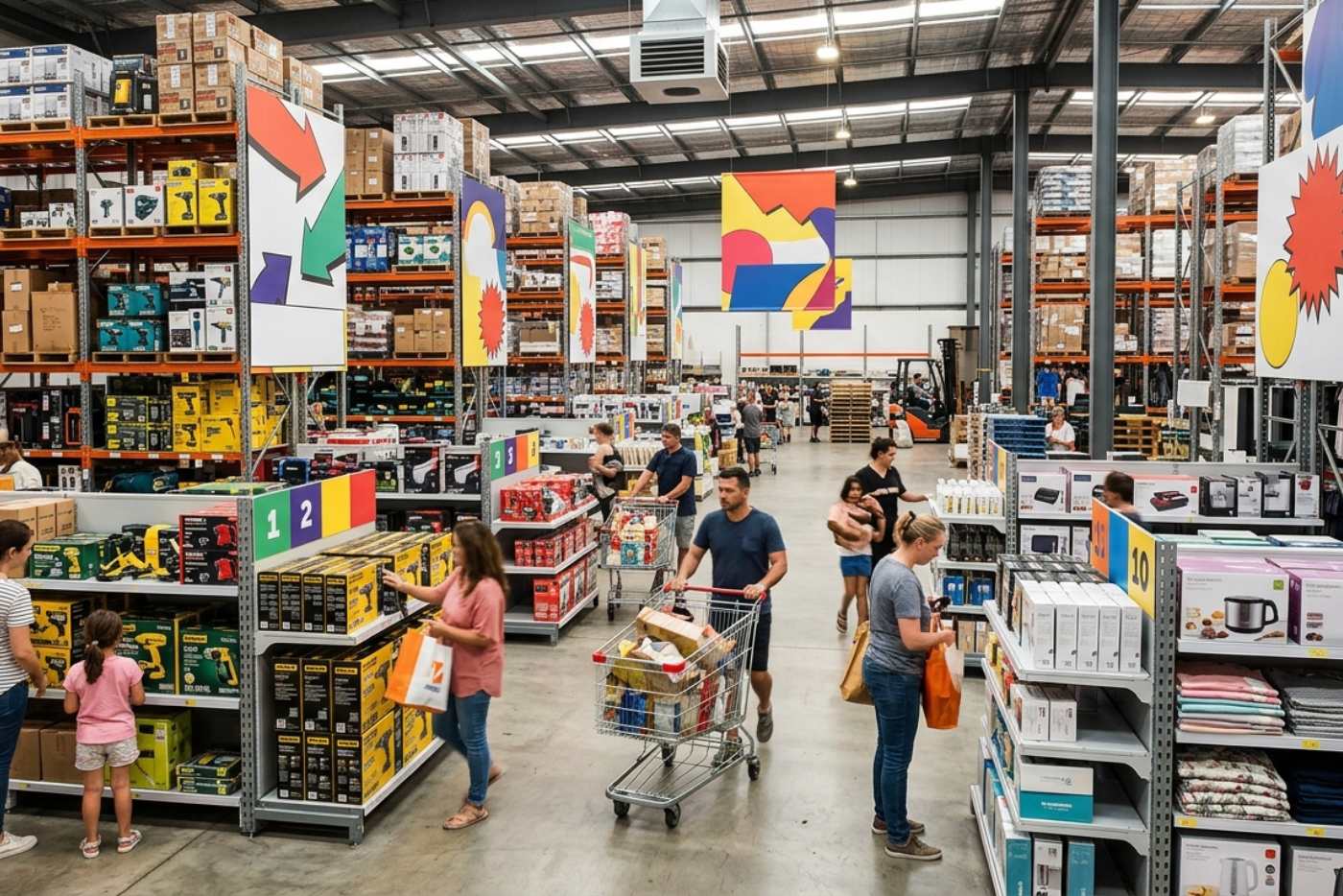
But most retailers running warehouse sales or liquidations are not in that category.
They have overflowing inventory.
They have collections that change.
They have merchandise that gains value in storage costs rather than market value.
And they need cash flow to fund the next season.
These retailers are not choosing between brand image and liquidation.
They are choosing between intelligent inventory management and costly inefficiency.
The problem is that the fear of the “bad discount customer” prevents them from capturing this strategic revenue.
Meanwhile, the Canadian market has already decided. According to Moneris retail trends data in 2026, the off-price segment — discount stores, warehouse sales, and liquidation centers — is one of the fastest-growing segments in retail. Consumers actively seek these opportunities. They plan their purchases around them. They wait for them.
The demand is there.
The real question is: can you take advantage of it without feeling like you’re betraying your brand?
The answer is yes. And here’s how.
The Story That Changed Everything
Let’s tell you a real story.
A high-end children’s clothing boutique owner.
Sought-after brands. Exclusive collections. Loyal customers who wanted new arrivals first.
A business built on quality, rarity, and trust.
Twice a year, she held sales.
And something interesting happened.
A completely different type of customer showed up.
People who would never pay full price.
Parents with strict budgets, looking for value, waiting specifically for that moment to shop.
At first, you might think:
“These aren’t my real customers.”
But she understood something deeper — and counterintuitive.
They are not the same customers.
And that’s exactly why it works.
Two Customer Segments, Two Realities, Zero Conflict
Here is the truth few retailers clearly articulate:
Your full-price customers and your discount customers never meet.
They do not exist in the same time frame or mental space.
The full-price customer wants:
- Full selection and new collections
- Exclusivity and early access
- To buy before items sell out
- To pay for priority access
The discount customer wants:
- Price, above all
- Value from what remains
- To wait for the best price-to-quality ratio
- To buy what full-price customers didn’t take
These are two different people.
With different triggers.
With different timelines.
And most importantly: will a discount customer become a full-price customer?
Almost never.
But that’s not their role.
Their role is to keep your inventory moving, stabilize your cash flow, and finance your next season.
They are not competitors. They are complementary.
What Discount Customers Actually Do for Your Business
Let’s talk operational reality:
They cover your fixed costs
Every sale — even discounted — contributes to rent, payroll, insurance.
Inventory sitting in storage contributes nothing.
They free up space
An overflowing warehouse blocks new opportunities.
Discount customers create room — physically and strategically.
They finance your next season
Cash flow from warehouse sales often funds upcoming purchases without pressure.
They increase visibility
Well-executed sales attract traffic. Some visitors may become long-term customers.
The customer you feared would “dilute your brand” is actually a key economic partner.

The Two-List Strategy: How It Works
Back to the boutique owner.
She did something simple — but powerful.
She created two separate lists.
List 1 — Early Access (New Collections)
Customers get notified when new items arrive.
Messaging focuses on exclusivity and being first.
They pay full price — happily.
List 2 — Discount Customers (Pre-Sale Alerts)
Customers get notified before warehouse sales.
Messaging focuses on value and unbeatable deals.
They pay discounted prices — happily.
Two messages.
Two moments.
Two motivations.
Result?
No confusion. No brand dilution. No conflict.
Inventory moves. Revenue stabilizes.
How allsales.ca Connects You to the Right Audience
allsales.ca stands out because:
- 200,000 active users actively seek warehouse sales and deals
- 71,000 newsletter subscribers want to be alerted to opportunities
- Every listing is manually reviewed for quality and performance
- 16 years of experience ensures effective positioning
And there’s a guarantee:
1,000 clicks or your next publication is free.
FAQ
Will discount customers later pay full price?
Rarely — and that’s normal.
Do warehouse sales hurt my reputation?
No. They show smart inventory management.
How do I build two lists?
Invite sign-ups for early access and pre-sale alerts.
Can allsales.ca reach customers outside Quebec?
Yes — across Canada.
Two Lists. One Strategy. A Continuous Cycle.
The fear of brand dilution is understandable — but misplaced.
Sales don’t dilute your brand.
Lack of strategy does.
Retailers who separate their audiences succeed at both full-price sales and liquidation — simultaneously.
Discount customers are not your enemies.
They are part of your business model.
And connecting them to your sales through a platform like allsales.ca simply means turning inventory into revenue instead of letting it sit idle.
Are you planning a warehouse sale this spring?
Find out how allsales.ca can connect your sale with the 200,000 consumers who are waiting for it!










Social Contact