
Most retailers make a simple — yet costly — mistake:
👉 They speak to all their customers… the same way.
Same message.
Same timing.
Same offer.
And then they wonder why:
- their sales plateau
- their promotions underperform
- their customers seem “hard to convert”
The reality is much simpler — and far more strategic:
👉 You don’t have one customer base.
👉 You have at least two.
And if you don’t segment them, you lose sales on both sides.
1. The “One Message Fits All” Trap
Picture this:
You send one email to your entire database:
“Big sale – up to 60% off!”
What happens?
- Your price-sensitive customers are interested
- Your regular customers… get confused
Some may even think:
👉 “Why would I buy now at full price?”
This is where the problem starts.
2. The Reality: Two Distinct Customer Segments
Let’s revisit a key concept — but go deeper.
🧍♂️ Customer #1 — The Full-Price Buyer
This customer:
- Wants new arrivals
- Wants full selection
- Fears missing out
- Values exclusivity
👉 Their buying trigger: access
🧍♀️ Customer #2 — The Discount Buyer
This customer:
- Looks for the best price
- Compares options
- Is willing to wait
- Buys opportunistically
👉 Their buying trigger: value
💡 These customers think differently.
And more importantly: they don’t buy at the same time.
3. The Dangerous Myth: “I’ll Train Them to Wait for Sales”
This fear is extremely common.
But here’s the operational reality:
👉 A value-driven customer will remain value-driven.
👉 An exclusivity-driven customer will remain exclusivity-driven.
These profiles are stable.
Your messaging doesn’t change who they are —
it only determines whether you reach them effectively.

4. The Solution: The Two-List Strategy
This is where things become powerful — and surprisingly simple.
👉 You need to create two separate communication channels.
📩 List 1 — Early Access (New Arrivals)
Who it’s for:
- Your best customers
- Frequent buyers
- Those who want to be first
Messaging:
- New collections
- Exclusive access
- Limited availability
Example:
“New collection just arrived — 48h early access before public release”
📩 List 2 — Discount Customers (Deal Alerts)
Who it’s for:
- Price-sensitive customers
- New prospects
- Occasional buyers
Messaging:
- Deep discounts
- Warehouse sales
- Limited-time deals
Example:
“Warehouse sale — up to 70% off this weekend”
👉 Two messages.
👉 Two timelines.
👉 Zero confusion.
5. Timing: The Invisible Lever
Segmentation isn’t just about messaging.
👉 It’s about timing.
Ideal sequence:
- New collection launch → List 1
- Regular selling period → List 1
- End-of-cycle → transition
- Warehouse sale → List 2
💡 Result:
- Your margins are protected
- Your inventory moves efficiently
- Your revenue is optimized
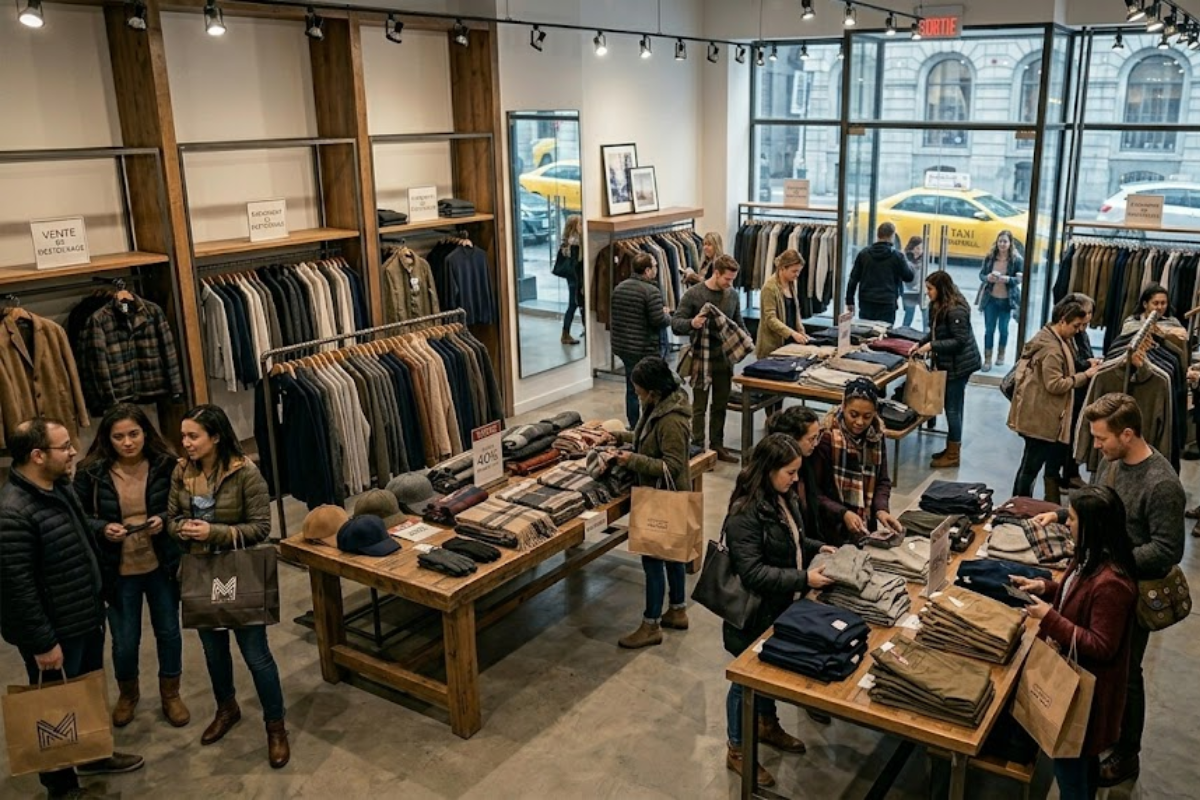
6. How to Build Your Two Lists (Practically)
You don’t need complex systems.
Simple method:
👉 In your communications:
- “Get early access to new collections”
- “Be notified of upcoming warehouse sales”
👉 During your events:
- In-store sign-ups
- QR codes
- Quick forms
Advanced tip:
Ask one simple question:
👉 “Do you prefer early access to new arrivals or discounts?”
Your customers will segment themselves.
7. Mistakes to Avoid
❌ Mixing messages
Sending discounts to premium customers creates confusion
❌ Announcing sales too early to everyone
You hurt your full-price sales
❌ Not segmenting at all
👉 You lose revenue… without realizing it
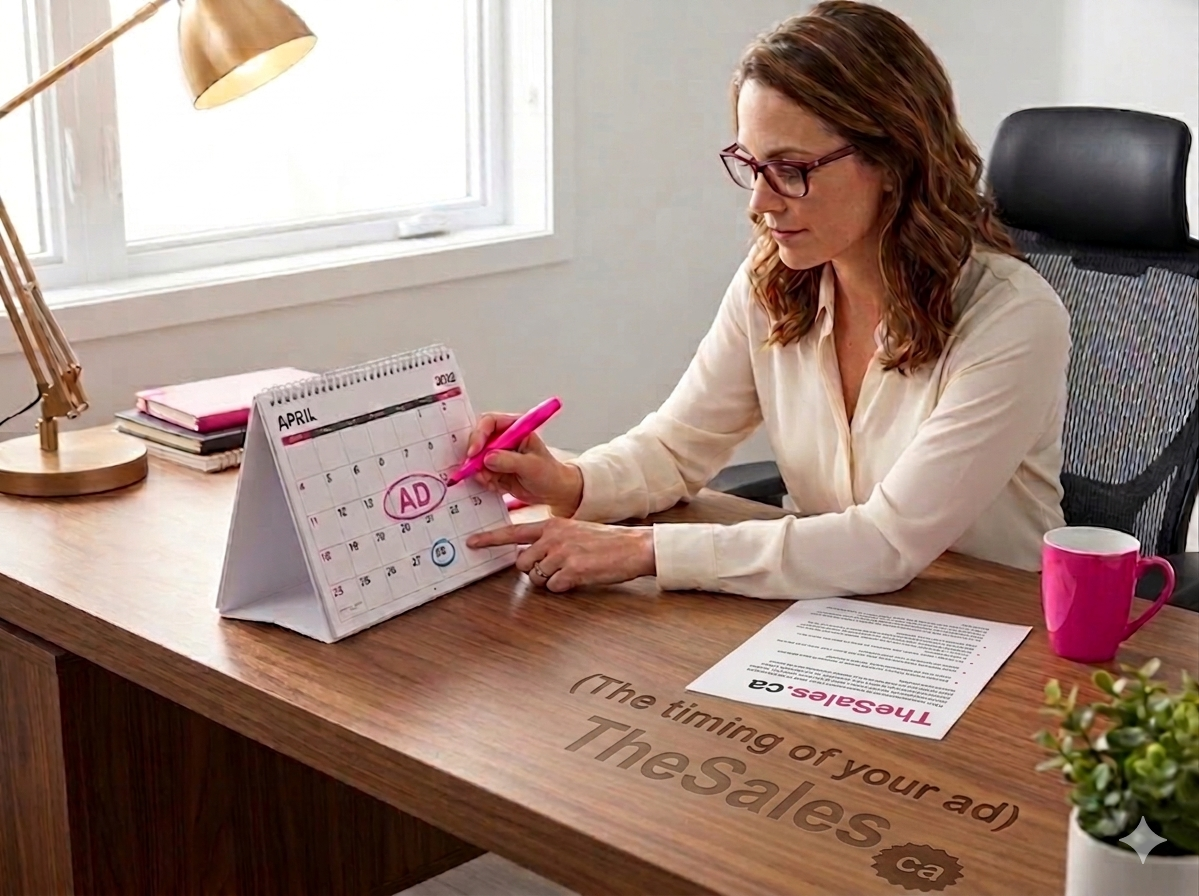
Building a “discount customer” audience takes time.
👉 But some platforms have already done it.
- You instantly reach deal-driven shoppers
- You protect your core customer base
- You naturally separate your audiences
👉 It’s the two-list strategy — at scale.
9. What This Strategy Actually Changes
When you apply segmentation:
✔️ Your full-price sales increase
✔️ Your warehouse sales perform better
✔️ Your messaging becomes clear
✔️ Your customers understand your positioning
But most importantly:
👉 You stop making compromises.
You don’t have to choose between:
- selling at full price
- or running sales
The most effective retailers do both.
But they do it intelligently.
👉 By separating their audiences
👉 By adapting their messaging
👉 By respecting each customer’s buying timing
Your discount customers are not your “worst” customers.
Your full-price customers are not the only ones who matter.
👉 They are two different engines within your business.
And when you align them properly,
that’s when growth becomes stable, predictable… and far more profitable.








Social Contact